
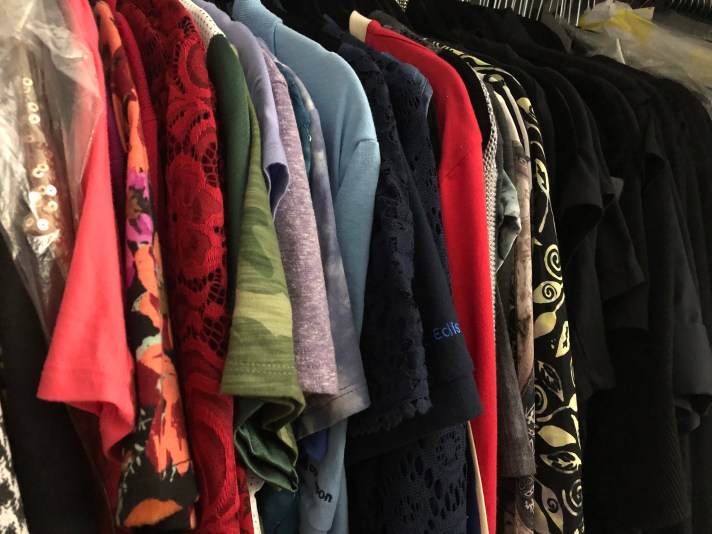
As promised, here is part 2 of our guide to affordable thrift shopping in Westchester County. In this second installment, we continue exploring the best thrift stores in the area. Whether you’re searching for specific items or just browsing, Westchester is a top spot for sustainable, budget-friendly fashion. Grab your reusable bags—it’s time to discover what’s next on our thrifting journey.
St. Luke’s Thrift Shop
— 327 NY-100, Somers, NY 10589
https://slcsomers.org/saint-luke%E2%80%99s-thrift-shop
I’ve always found myself buying something whenever I visit St. Luke’s Thrift Shop. I enjoy exploring the racks, and their sales are always exciting. The staff is very welcoming, and there’s a wide selection to choose from. I highly recommend stopping by St. Luke’s Thrift Shop. While you’re there, don’t miss visiting Yorktown Love in Action, which is conveniently located nearby in Yorktown.
Women’s Club of White Plains
— 305 Ridgeway, White Plains, NY 10605
https://www.womansclubofwhiteplains.org/thrift
Visit the website to register for their Pop-Up Sales; they consistently deliver a great experience and attract a good crowd. They are also open on Tuesdays but check the website for details. All income from sales at the Thrift Store goes directly to the Woman’s Club of White Plains Foundation’s philanthropies, including its Scholarship Program.
That Nothing Be Lost – St Christopher’s at Graymoor
— 16 Franciscan Way, Garrison, NY 10524
Browsing here feels almost magical. Situated in one of Graymoor’s oldest buildings, built in 1916, in Garrison, New York, it faces St. Christopher’s Inn, a temporary homeless shelter dedicated to helping men in crisis. The store’s proceeds go toward supporting St. Christopher’s Inn and its residents.
Hilltop Thrift Shop
— 55 Cedar St., Dobbs Ferry, NY 10522
Hilltop Thrift Shop was named Best Under-the-Radar Thrift Shop by Westchester Magazine. Need I say more?
You do have to sign up for an appointment to shop. Here is the link:
https://signup.com/client/invitation2/secure/27003375573136035/false#/invitation
St Gregory’s Thrift & Gift Shoppe
— 1131 North St., White Plains, NY
I truly enjoy visiting the thrift shop at St. Gregory the Enlightener Armenian Church, operated by The Women’s Guild. They offer beautiful china and serving pieces, as well as many other delightful items. All are high-quality and reasonably priced.
Rye Presbyterian Thrift Shop
— 882 Boston Post Rd., Rye, Ny 10580
No clothes, but rooms filled with excellent merchandise – artwork, china, jewelry, housewares, home décor, small furniture, linens, seasonal decorations, and much more. They hold occasional evening sales, so be sure to sign up for their newsletter.
All Saints’ Second Chance Thrift Shop
— 288 Harrison Ave., Harrison, NY 10528
https://www.allsaintsharrison.org/thrift-shop
Operated by parish and community volunteers, this great shop provides gently used items at affordable prices, including kitchenware, home décor, knick-knacks, women’s and children’s clothing, books, CDs, toys, and much more. Additionally, they host the Angel Fair Holiday Market, which I always attend!
Thrifty Me Thrift Shop – Phone: (914) 962-5758.
— 1974 Commerce Street, Room 113, Yorktown Heights, NY 10598
Thrifty Me is a well-established thrift store run by volunteers, situated in Room 107 of the Albert A. Capellini Community & Cultural Center in Yorktown, NY. It opens on Mondays and Wednesdays from 10:00 am to noon, serving the local community and often hosting special events such as annual holiday boutiques that raise funds for the local food pantry.
Golden Shoestring
— 149 Larchmont Ave, Larchmont, NY 10538
https://westchesteronthesound.jl.org/gss/
Operating in Larchmont, NY, for over 60 years, this nonprofit resale boutique is the primary fundraiser for the Junior League of Westchester on the Sound. The funds collected fund community grants and scholarships. The shop is well-known for its gently used designer clothing, a broad range of shoes, and housewares.
Katonah Thrift Shop
— 71 Bedford Rd., Katonah, NY 10536
https://www.facebook.com/katonahthriftshop/
Katonah Thrift Shop is filled with a variety of treasures. All proceeds benefit the Women’s Civic Club, which was founded in 1918 in historic Katonah. The store features a wide range of items, such as clothing, bags, musical instruments, jewelry, kitchenware, housewares, antiques, and more.
St. Thomas Church Thrift Shop
— 168 West Boston Post Rd, Mamaroneck, NY 10543
https://www.saintthomasmmrk.org/thrift_shop
What began in the early 1990s as an “ongoing rummage sale” organized by dedicated parishioners has grown into a major event that showcases generosity and community spirit in Mamaroneck. St. Thomas offers a wide variety of items for sale, including women’s clothing, china and glassware, small appliances, cutlery, men’s suits, linens, jewelry, and more.
IFCA Thrift Shop
— 95 Croton Ave., Ossining, NY 10562
IFCA’s neighborhood thrift shop sells new and gently used items, including clothing, shoes, bedding, dishes, pots and pans, costume jewelry, and handbags, at very affordable prices.
The Community Shop
196 Katonah Ave., Katonah, NY
https://www.communitycenternw.org/community-shop
The Community Shop offers a curated selection of gently-used clothing, shoes, and accessories at affordable prices. This collection supports the vital programs of the Community Center of Northern Westchester.
Please check the website or contact each thrift shop directly to check their days and hours of operation.
Until next time, Happy Thrifting!




 ToniOnThrifting