ToniOnThrifting

ToniOnThrifting – Thrift Shopping Made Simple

The Future of Fur: Trends, Ethics, and Vintage Appeal — January 11, 2026

The Future of Fur: Trends, Ethics, and Vintage Appeal

Fur coats have remained a strong trend in 2025 and are expected to continue in 2026. Historically, fur has symbolized status, evolving from basic survival clothing to symbols of royalty and Hollywood glamour throughout the 20th century. In the early 1900s, fur shifted from basic linings to luxury items like large collars and full-length fox jackets, gaining cultural significance by the 1950s as a mark of sophistication. However, starting in the late 1980s, the industry experienced a sharp decline due to intense animal-rights protests and evolving societal views that viewed fur as cruel rather than fashionable. By the 2010s, many cities and luxury brands such as Gucci and Prada had banned fur, diminishing its prominence in fashion.

The resurgence in 2025, rejecting “quiet luxury,” is driven by maximalist trends like the viral ‘mob wife aesthetic.’ Mainly fueled by Gen Z and Millennials, this revival is driven by increased interest in fur through vintage and secondhand markets, viewing it as a sustainable “slow fashion” alternative that avoids new animal farming and microplastic pollution from synthetic faux-fur materials. Brands such as Fendi and Louis Vuitton, along with celebrities like Ice Spice and Rihanna, have positioned fur as a symbol of power and style. Currently, the trend blends nostalgia for the early 2000s with contemporary values, prioritizing craftsmanship and heirloom quality over fast fashion cycles.

How It’s Worn:
• Pair simple outfits, such as turtlenecks and jeans, for a more elevated look.
• Worn over outerwear, such as trenches, to add extra flair.
• As heirloom pieces, they are proudly worn for warmth and style.
Essentially, the real fur trend is intricate, combining historical luxury with contemporary ethical issues, often thriving in the vintage market and among statement fashion pieces.

The Verdict for 2026

Real fur is unlikely to vanish entirely but is gradually shifting from mainstream luxury to a niche market. Starting September 2026, New York Fashion Week will ban real animal fur in its runway shows. While Vogue and other major fashion events are reducing the number of new fur collections, interest in vintage and creatively reimagined fur is expected to remain through 2026 as consumers increasingly adopt “circular” fashion. The Manhattan Vintage Show, New York City’s leading large-scale vintage fashion event, is scheduled for January 31st to February 1st for the upcoming NYC Winter show. It will showcase vintage fur. The event is expected to sell out, as all their shows do, indicating continued strong interest in fur despite the changing landscape. Ultimately, the debate continues as consumers weigh the longevity and sustainability claims of vintage fur against the animal-welfare concerns that have led many brands and cities to go fur-free.

Until next time, Happy Thrifting!

Why Gen Z Loves Depop for Secondhand Fashion! — December 28, 2025

Why Gen Z Loves Depop for Secondhand Fashion!

Founded in 2011 by Simon Beckerman, Depop is a London-based social e-commerce platform that has become central to Gen Z’s fashion culture. Often compared to a blend of Instagram and eBay, it allows users to buy and sell secondhand clothes through an engaging interface where they can “like” items and follow their favorite sellers. By 2025, Depop has grown to over 43 million registered users and has surpassed $5 billion in sales since its inception. It remains an independent subsidiary of Etsy, which acquired it in 2021 for approximately $1.6 billion to tap into the thriving resale market. 

The platform’s success largely stems from its focus on circular fashion and unique styles like “sleaze academia” and “cottagecore,” which have become trendy on TikTok and Instagram. To stay competitive in 2025, Depop has simplified the selling process by removing traditional selling fees for users in the US and UK, while standard payment fees still apply. Sellers are advised to upload high-quality, attractive photos and use detailed tags to boost visibility through the app’s AI-driven curation system. Despite its popularity, the platform emphasizes safety and community support by offering tools like the Depop Safety Centre to protect users and ensure secure transactions. https://news.depop.com/company-news/depop-launches-new-safety-centre.

Now let’s talk to Catherine G., a teenager from Brooklyn, about Depop.

How often do you use Depop?
I visit the website daily to browse new items and check if any of mine have sold. I enjoy scrolling through to see the latest arrivals.

Do you buy and sell items? How do you find the prices?
Yes, for both aspects. I rely on Google Lens to determine fair prices for my items

What do you like most about Depop?
I appreciate that Depop aligns with my interests and features the fashion I find most appealing.

Do you also use Poshmark or other resale platforms?
No, I always discover what I like and need on Depop.

Any tips for new Depop users?
Yes, be cautious of scams, and if you have any doubts, always consult the Depop Safety Centre.

Do you feel that using Depop helps the environment?
Yes, because we can give items new life instead of letting them end up in landfills.

Catherine G. provided valuable insights into Depop. Teenagers like using Depop because it turns traditional thrifting into a social and entrepreneurial activity influenced by social media, fitting their values and style. Often likened to a combination of Instagram and eBay, it presents a visually appealing grid where users can like, comment, and follow their favorite curated shops. For a generation that values sustainability, Depop offers a responsible alternative to fast fashion, encouraging a “circular” economy and the hunt for unique Y2K or vintage pieces that match their style. Besides shopping, the app encourages teens to become small entrepreneurs by selling items from their bedrooms, with some top sellers earning enough for financial independence before college. Overall, Depop is a vibrant community where fashion acts as a means of self-expression and social activism. 

Thank you, Catherine G.

Until next time, Happy Thrifting!
2026 Thrift Store Price Trends: What Shoppers Should Know — December 6, 2025

2026 Thrift Store Price Trends: What Shoppers Should Know

By 2026, thrift shopping is projected to see a notable price increase due to growing demand, inflation, rising operational costs, and the growing popularity of secondhand fashion. The U.S. market is expected to more than double, reaching approximately $82 billion, according to ThredUp. Although tariffs on new clothing and a focus on sustainability encourage more consumers to buy at thrift stores, these factors also contribute to higher prices.

Key factors driving up thrift store prices in 2026

• The popularity of thrifting has grown, driven by social media influencers and a stronger emphasis on sustainability among consumers. This rise in interest attracts more shoppers, intensifying competition for limited items and driving prices higher.


• Inflation and tariffs continue to drive up the cost of new clothing, prompting more consumers to turn to secondhand options. This surge in demand enables thrift stores to boost their Projections for 2025. Projections suggest that new clothing prices could increase by as much as 65%, making secondhand markets even more attractive.


• Rising Operational Costs: Thrift stores face growing expenses for rent, labor, and utilities. To cover these costs, they often increase their prices, a common practice even among non-profit thrift stores to fund community programs.


• The emergence of online resale platforms such as Depop, Poshmark, and ThredUp has increased competition in the market. These platforms attract both buyers and sellers, motivating people to sell valuable or vintage items online rather than donate them. As a result, traditional stores receive fewer donations, which tend to be of lower quality. Consequently, these stores raise their prices on remaining inventory to stay competitive.


• Sophisticated Pricing Strategies: Modern thrift stores are moving away from simple, flat-rate pricing. Instead, they use market data to set prices based on an item’s brand, condition, and value. This method, influenced by the broader resale market, leads to higher prices for popular vintage and branded items.


• Vintage market valuation has risen as authentic vintage and trendy retro items become more sought after. Influenced by social media and influencers, these items are now valued higher because of their rarity. Thrift stores recognize this trend and price these items higher, which diminishes their reputation as bargains.

By 2026, thrift shopping is likely to become more of an adventure that requires planning. Discovering hidden gems may become more difficult, as some thrifters are already noticing increased prices and more competition for sought-after items. To succeed in this changing scene, consider visiting stores in affluent neighborhoods, timing your shopping around restock days, and focusing on classic, timeless pieces. As always, patience will be an essential asset!


Until next time, Happy Thrifting!

Thrift Shopping: A Sustainable Way to Find Unique Holiday Gifts And Creative Ways To Wrap Them — November 23, 2025

Thrift Shopping: A Sustainable Way to Find Unique Holiday Gifts And Creative Ways To Wrap Them

Thrift shopping for holiday gifts has clear environmental, economic, and personal benefits, making it a sustainable and thoughtful alternative to traditional retail. It helps reduce waste, saves money, and adds the excitement of discovering unique items.

Economic Advantages:

Thrift shopping is a smart way to save money and reduce holiday expenses. It offers big savings since secondhand items are usually much cheaper than new ones, often including high-quality or designer pieces at great discounts. This helps you stretch your holiday budget further without sacrificing quality. Also, many thrift stores are run by charities or local groups, so your purchases support important community programs like homelessness support and domestic violence shelters. Plus, used items typically come with little or no packaging, which helps cut waste and can lower costs for buyers.

Unique & Thoughtful Gifts:

Beyond the tangible benefits, thrifting allows for a more personal and intentional approach to gift-giving.

  • Thrift stores offer a continually updated, varied selection of items, including vintage accessories, rare books, and retro decor. This makes it easy to find a distinctive gift that perfectly suits the recipient’s personality.
  • Meaningful Intentionality: Spending time and effort on a “treasure hunt” to find the ideal item can increase its emotional significance. A carefully selected secondhand gift can convey a special story, making it more meaningful than a quick purchase from an online retailer or a big-box store shelf.

Opting to thrift for holiday gifts benefits the environment, saves money, and shows greater thoughtfulness.

Now, try creative and eco-friendly ways to wrap those gifts. Use repurposed materials such as maps or newspapers, experiment with the Japanese fabric wrapping method (Furoshiki), or incorporate natural elements for decoration.

Repurposed Paper:

Instead of buying new, glossy wrapping paper that often cannot be recycled, you can use materials you likely already have around the house.

  • Old Maps/Calendars: Out-of-date road maps, topographical charts, or large calendar pictures add a unique, vintage feel. You can even match the map location to the gift or recipient’s interests (e.g., a marine chart for a boat-related gift).
  • Newspaper or magazine pages—whether black-and-white print, colorful magazine spreads, or even the comic section—can serve as charming and eco-friendly wrapping options.
  • Brown Paper Bags: Flattened paper grocery bags or kraft paper from shipping boxes serve as a simple canvas. Personalize it with doodles, stamps, or stencils for a unique touch.
  • Children’s Artwork: Wrapping a gift in your children’s paintings or drawings adds a deeply personal and artistic touch that family members often cherish as a keepsake.

Fabric Wrapping (Furoshiki):

The traditional Japanese art of Furoshiki uses fabric to wrap or transport goods, offering an elegant, reusable, and zero-waste option.

  • Scarves or Tea Towels: The fabric itself can be part of the gift. Use a vintage scarf, a festive tea towel, or a cloth napkin to wrap the item.
  • Fabric Scraps: Repurpose old t-shirts, worn-out bedding, or fabric remnants found at a thrift store.
  • Technique: No tape or scissors are needed; the fabric is secured using strategic folding and knotting techniques. This creates a beautiful, soft presentation that can be reused year after year.

Natural Embellishments & Containers:

Elevate the look of your gifts with natural, compostable additions and unique, reusable “containers”.

  • Natural Accents: Avoid plastic ribbons and bows. Instead, opt for natural materials like jute, twine, or raffia to secure the package. Add a sprig of fresh rosemary, pinecones, dried citrus slices, or cinnamon sticks for a festive aroma and rustic charm.
  • Reusable Containers: For small or oddly shaped items, opt for a decorative tin from cookies or tea, a clean glass jar ideal for homemade treats, a small kit, or a durable thrifted basket. These containers can be part of the gift or serve as useful storage afterward.
  • Handmade Tags: Repurpose last year’s holiday cards by cutting them into new gift tags.

By utilizing these creative approaches, you can make your thrifted gifts look unique and intentional while significantly reducing holiday waste.

Environmental Sustainability:

Buying secondhand items helps reduce environmental damage caused by manufacturing new products, especially in sectors like fast fashion. Waste Reduction: Each thrifted item cuts down the need for new production. This lowers the millions of tons of textile and general waste that fill landfills each year. Resource Conservation: Making new products uses a lot of resources. For instance, producing a single cotton T-shirt requires over 700 gallons of water. This resource is saved when buying pre-owned items. Thrifting saves water, energy, and raw materials. Lower Carbon Footprint: The processes of creating and transporting new products are significant sources of global carbon emissions. Choosing secondhand can cut a product’s carbon footprint by up to 90%, since most energy-consuming steps are already done.

I hope you enjoyed this blog. Let’s continue to reduce, reuse, and recycle.

Until next time, Happy Thrifting!
How Thrift Stores Support Families Facing Food Crisis — November 2, 2025

How Thrift Stores Support Families Facing Food Crisis

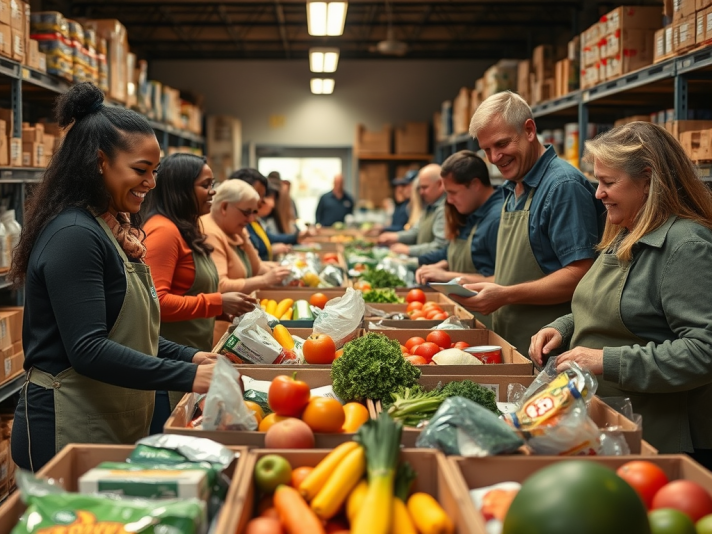
Food insecurity in the U.S. is on the rise, now impacting 36% of households and leading to more instances of severe food insecurity. Major contributors include increasing inflation, stagnant wages, reductions or loss of SNAP benefits, and federal budget cuts affecting workers. Consequently, more families resort to buying cheaper food or skipping meals. Thrift stores play a vital role by supporting community food programs and offering affordable essentials to families in need.

Here are some of the many reasons to support your local thrift shop:

• Many non-profit thrift stores depend on income from selling donated items to fund local efforts such as food pantries, soup kitchens, and meal delivery programs. Every purchase or donation helps maintain these vital services.
• Thrift stores offer various affordable essentials such as clothing, furniture, and household items. This makes it easier for families on tight budgets to obtain necessary items they might otherwise miss, enabling them to use more resources for food.
• Numerous organizations supported by thrift stores offer emergency aid, such as food vouchers, to families in immediate need, ensuring they get assistance promptly.
• These shops act as community hubs providing volunteer opportunities and job training, particularly for those facing employment difficulties. They seek to tackle the underlying causes of poverty and food insecurity by strengthening community ties and opening pathways to stability.
• Supporting sustainability by shopping or donating to thrift stores decreases textile and other waste in landfills, contributing to a healthier environment. This emphasis on a circular economy advantages the whole community by combining social benefits with environmental responsibility.
• Thrift stores provide an affordable shopping alternative, enabling individuals and families to purchase items with dignity and choice instead of depending solely on handouts. Supporting local thrift shops addresses immediate needs and fosters lasting solutions, generating a ripple effect of positive change for families facing food insecurity and associated difficulties.

Until next time, Happy Thrifting, and let’s help others in our communities!

Eco-Friendly Halloween Costumes: Thrift Store Tips — October 16, 2025

Eco-Friendly Halloween Costumes: Thrift Store Tips

Buying Halloween costumes from a thrift store provides a fun, affordable, and eco-friendly alternative to buying new, single-use outfits. Many packaged Halloween costumes are made from cheap synthetic materials, mainly plastics like polyester and nylon. Usually worn once and then thrown away, over 83% of these costumes are made from plastics that can take hundreds of years to decompose in landfills. Their short usage period adds to the larger waste problem caused by fast fashion.

Here are some advantages of thrifting for your Halloween costume. You can save money because thrift stores sell clothing at much lower prices, letting you craft a great costume without overspending. Instead of paying $50 for a flimsy, packaged costume, you can find durable, high-quality items for a fraction of the cost. This is especially a smart choice for families with kids who quickly outgrow their costumes.

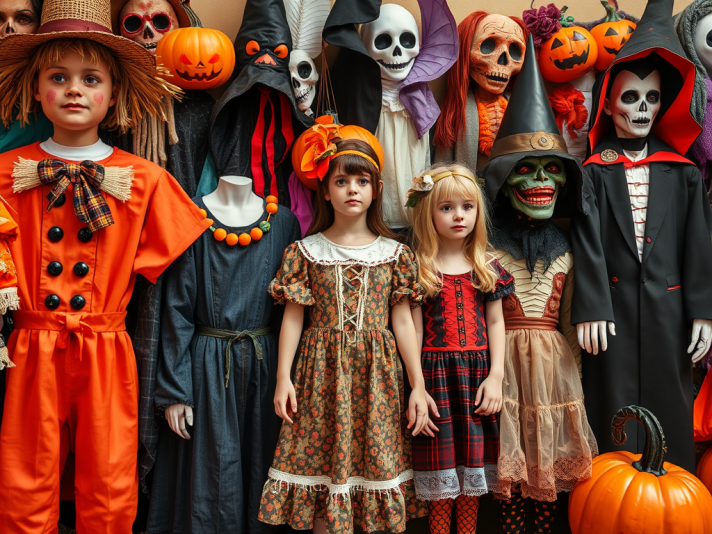
Unleash your creativity! While packaged costumes offer limited choices, a thrift store is a treasure trove of inspiration for creating unique and personalized outfits. Treasure hunting in thrift stores can be fun; you never know what might spark your next idea. Think creatively and combine unexpected items—like turning a vintage dress into a zombie prom queen or using a flannel shirt as part of a lumberjack or scarecrow costume.

Here are some ideas on thrifting a Halloween costume

  • Have a costume idea, but be open to unexpected finds that could lead to something even better.
  • Check the accessories, props, and toy sections for key finishing touches like hats, scarves, jewelry, and wigs.
  • Build a base with solid-colored shirts or pants and then add details.
  • Go with easy-to-create thrifted costumes like a scarecrow, a ‘70s disco star, a vampire, or a ghost.
  • Go thrifting with friends or family to make the experience more fun and creative.

Go green and cut waste. Buying secondhand gives a used item a second life and prevents it from ending up in a landfill. You also reduce your carbon footprint by lowering the demand for new production, which consumes a lot of energy and water. Thrifting supports the “circular economy” by keeping clothing in use longer. A thrifted costume is a guilt-free way to enjoy the holiday. It’s a chance to celebrate with a unique, budget-friendly, and earth-conscious outfit, making Halloween less scary for your wallet and the planet.

Let’s reduce, reuse, and recycle. Until next time, Happy Thrifting!
Why Rummage Sales Are Great For Affordable And Sustainable Shopping — September 26, 2025

Why Rummage Sales Are Great For Affordable And Sustainable Shopping

I love rummage sales. One of my favorite bags was bought at a local rummage sale—a vintage Coach crossbody I found for only $20. It quickly became one of my top favorites, especially since it was perfect for days when I didn’t need to carry much. The bag had just enough character without being too worn. This demonstrates why rummage sales are excellent sources for rare, vintage, and collectible items that are hard to find in regular stores.

Rummage sales are great for a variety of reasons. If you’re creative, you can find furniture, clothing, and other items that need repair or a creative update. With some imagination, you can turn these pieces into stylish additions for your home or wardrobe. One benefit of a rummage sale is that prices are often lower than in typical thrift stores because organizers aim to sell as much as possible. This also means you might find even better deals later in the day, and some sales offer a fill-a-bag deal for a small fee at the end of the event.

Rummage sales are becoming more critical in communities facing clothing insecurity. They offer affordable clothing, usually at much lower prices than department stores. Many of these events also serve as fundraisers for local charities, community programs, or schools, with the proceeds going directly to benefit the community. Attending these sales provides an opportunity to meet neighbors and build stronger community connections. Visiting rummage sales can be an enjoyable way to spend a weekend.

Rummage sales offer an eco-friendly and practical alternative to fast fashion shopping. The fast fashion industry causes problems like waste accumulation, resource depletion, unfair labor practices, and pollution. Buying from rummage sales, thrift stores, estate sales, or garage sales decreases landfill waste by giving clothing a second purpose. These types of secondhand shopping extend the life of garments, save resources, and support sustainability. By reusing and recycling items, you take part in a system that conserves natural resources and minimizes environmental impact.

Look for local rummage sales in newspapers, Facebook groups, Craigslist, and similar platforms. My top tip: arrive early to access the best selection of quality items. Though they might cost more, these items sell quickly and are often priced below market value.

For valuable insights from top resources on thrift shopping and sustainability, visit my Facebook page, ToniOnThrifting. Let’s prioritize reducing, reusing, and recycling.

Until next time, Happy Thrifting!

Affordable Thrift Stores: Newport, Rhode Island’s Best Deals — September 13, 2025

Affordable Thrift Stores: Newport, Rhode Island’s Best Deals

When I hit the “thrifting trail” on Broadway in Newport, Rhode Island, I had high hopes. But the experience far surpassed my expectations when it came to variety, prices, and quality. I found thrift shops with everything from vintage clothing to the latest styles. The vintage shops had amazing, varied selections. And the consignment shops were packed with reasonably priced, high-quality clothes. What impressed me the most, though, was the pricing. Given Newport’s incredible popularity as a summer getaway, I figured prices would be sky-high. But they were surprisingly reasonable, making for an all-around wonderful experience.

St. Paul’s Thrift Shop
326 Broadway
Newport, Rhode Island
401.847.844


St. Paul’s Thrift Shop has a fantastic selection of clothing, housewares, furniture, books, and more for both men and women. I was impressed with the quality and variety of items throughout the shop. The brand-name tops offered excellent value for money. Prices ranged from $7 to $10 and above. This is a fair price considering the current high prices in most thrift shops nationwide. The pricing is more than fair for pants, skirts, dresses, shoes, and other items. What really caught my eye was the fantastic range of solid, well-made furniture. This furniture is hard to find these days. It always gets snapped up when I’m thrifting. The store is well-organized, spacious, and has great displays. It was a pleasure browsing through the racks. What I love most about St. Paul’s Thrift Shop is the friendly staff. They do an excellent job. All proceeds go towards supporting the McKinney Homeless Shelter. Excellent!

Newport Thrift & Gift
30 Broadway
Newport, Rhode Island

Check out this charming shop for a great variety of one-of-a-kind jewelry, accessories, women’s clothing, shoes, and books. The jewelry and accessory section alone is worth a stop. I’m sure you’ll discover unique pieces that grab your attention!

Closet Revival
30 Broadway
Newport, Rhode Island

What a great secondhand/consignment shop! This shop is so well curated and has such a good vibe. The prices are on point for consignment and vintage. There were still quite a few great buys when browsing the racks. The staff seemed incredibly friendly and helpful, and when you did ask for help, they were present and knowledgeable. The windows are fabulous here. If you are on the Newport thrift trail, this is a must-stop.

VS Vintage Newport
174 Broadway
Newport, Rhode Island

I liked this shop because they have a unique and stylish vintage decor. It was well curated, and the choices were outstanding. Additionally, I thought there were some gorgeous jewelry pieces for sale. They have different price points, so you should find something you like. VS Vintage is like shopping at the best estate sales you have ever seen. So many things catch your eye. You must refrain from buying too much. Remember that when purchasing high-quality vintage, the price reflects the quality and condition of the pieces.

Respoke
6 Bowens Warf
Newport, Rhode Island

This great shop, Respoke, also reimagines vintage scarves and creates one-of-a-kind slides. I found this to be quite unique and impressive.

I hope you enjoyed my Newport thrifting experience.

Until next Time, Happy Thrifting!

Thrifting Tips for National Thrift Shop Day on August 17th! — August 14, 2025

Thrifting Tips for National Thrift Shop Day on August 17th!

Thrifting is a great joy to me, and I am very passionate about it. I am thrilled we get to celebrate it on August 17th. I think it should be a national holiday, don’t you? I wanted to remind you of tips, tricks, and advice for thrifting or making purposeful donations. I hope you find them helpful. Let’s live by the reduce, reuse, and recycle motto and live sustainably.

First and foremost, let’s be kind to one another. Some thrift shops are small; if two people browse the same rack, please don’t overreach. We will all get a turn.

Merchandise is also very geographical, so go out of your area, and you will be surprised at how different (in a good way) the merchandise is.

Please do not haggle when shopping at small, independent, charitable thrift stores. Every penny they make goes back into their community, whether to a food bank, back-to-school supplies, services for the elderly, or so much more. Every dollar earned is another dollar to help someone truly in need.

Be kind to anyone who works at a thrift shop, especially charity thrift shops. Most are volunteers, and a little appreciation goes a long way.

Always visit estate sales later in the day unless you have something specific in mind that was advertised. You’re more likely to get a lower price because the sales staff doesn’t want to pack up more than they must after a sale.

Sign up for your favorite thrift shop’s email list so you know when the sales are.

Keep cell phone conversations to a minimum. Some thrift stores are small, and you take the fun out of a person’s adventure by loudly talking on your phone.

The fundamental rule of donating with a purpose is NOT to leave donations outside thrift stores after hours. They then become unusable and must be thrown away, which defeats the purpose of donating and the workers’ effort to discard them. This is one of the most significant issues facing thrift shops today.

Do not donate anything ripped, torn, stained, or unusable. Remember, if you wouldn’t buy it yourself, don’t donate it.

Always ensure that the thrift shop you donate to accepts all your donations.

The way we donate can positively influence the environment, especially in our local communities. When we donate purposefully, we play an essential role in extending the life of items we no longer need, helping to protect this beautiful planet for future generations.

Until next time, Happy Thrifting!

Why Remix Market is a Thrift Shopper’s Paradise — August 9, 2025

Why Remix Market is a Thrift Shopper’s Paradise

It was love at first sight during my first visit to Remix Market, and I plan to visit many more times in the future. The variety is incredible, ranging from old to new, vintage to antique. This place is amazing. I loved that Remix has such an eclectic décor collection—all of it is fantastic. It’s the kind of thrift shop or market where you could furnish a new apartment with everything they carry. And there are so many items that you can buy cheaply and repurpose.

I spotted a Herman Miller chair in perfect condition for less than a third of its original price – you can’t beat that. There are so many hidden treasures and gems here. They also had a lamp I was interested in, and when I checked their website (remixmarketnyc.com) to see if it was still available, it was already sold. If you’re shopping here and find something you like, buy it because it won’t be on the shelves for long. I love mixing old and new décor, and this will be my first stop whenever I need to refresh or redecorate.

I think thrift shops have the most beautiful and high-quality serveware. You can be very adventurous when buying glasses, dishes, and serveware. There are many options, and you can mix and match patterns, which look incredible on the table. Additionally, older lamps are more beautiful, sturdier, and full of character.

My photos don’t do Remix Market justice, so please check out their website (remixmarketnyc.com). They also have the coolest Instagram page, @RemixMarketNYC. I’ve been following it for a while now—I wish I had gone to the store sooner.

They receive daily deliveries from Junk Luggers NYC, and from what I observed, they receive some exceptional deliveries. Now for the parts that truly steal my heart: Remix Market donates 50% of its inventory to verified 501(c)3 charities. The icing on the cake is that Remix Market is a professional fundraiser for Habitat for Humanity and donates 10% of its proceeds to them. I love them even more now. I’ll be back soon.

PLEASE NOTE: Remix Market does not take donations.

Remix Market
5-38 46th Ave,
Long Island City, NY 11101
Phone: (929) 302-3954

Monday – Friday 10 AM–7  PM
Saturday & Sunday 10 AM–6 PM

Until next time, Happy Thrifting!