
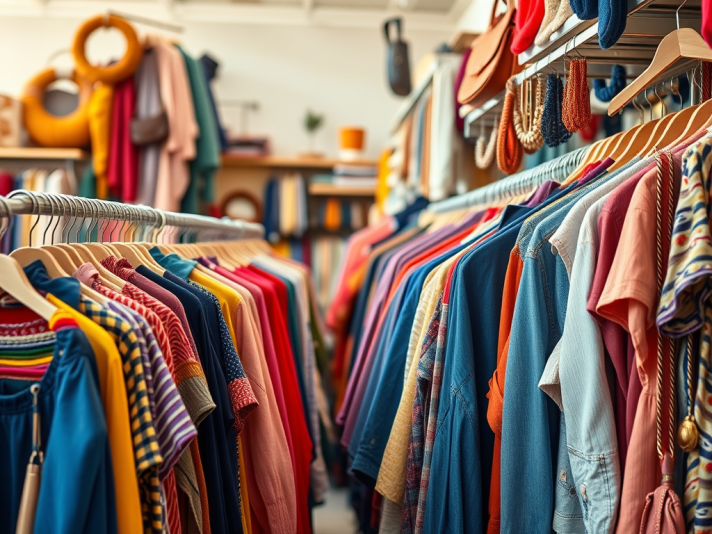
In 2026, thrift shopping has transformed from a casual hobby into a critical survival strategy for budget-conscious consumers. However, this surge in demand—fueled by social media and sustainability trends—has also pushed thrift store prices higher. Although I’ve mentioned some of these tips before, they deserve reiteration.
To keep your costs down while still finding high-quality “hidden gems,” follow these expert strategies for smart thrifting in 2026.
- Master the New Pricing Algorithms
Modern thrift stores use sophisticated, data-driven pricing methods that set prices by brand and condition, moving beyond simple flat-rate pricing.
- Avoid “Boutique” Racks: curated sections tend to have higher markups. Instead, browse the general racks for overlooked high-quality brands that the store’s software may have missed.
- Understand the Color Tag System: Many stores implement a weekly color-coded discount scheme. Focusing on scanning the “50% off” tag of the week is the best way to outsmart current price increases.
2. Time Your Trips Strategically
Competition for quality inventory is at an all-time high in 2026.
- Shop during Restock Days: Inquire with staff about when they usually release the largest batches of new inventory. Arriving early on these days allows you to select high-value items before resellers arrive.
- Go “Off-Season”: Buy winter coats in July and swimsuits in January. While others pay full price for current-season items, you’ll enjoy significant discounts on out-of-season stock.
3. Focus on “Inflation-Proof” Materials
Synthetic fast-fashion products often end up in thrift stores, but they tend to lose value. By 2026, true value will be based on natural, long-lasting fibers.
- The Big Four: Be aware of wool, cotton, silk, and linen. Due to rising production costs and tariffs expected by 2026, these materials are increasingly expensive to buy new.
- Inspect the hardware by checking zippers, buttons, and seams. If a high-quality item has a small defect, such as a missing button, it is usually priced significantly lower and can often be repaired easily at home.
4. Optimize Your Neighborhood Choices
Where a store is located often dictates the quality of its donations.
- Stores located in wealthy neighborhoods often receive donations of luxury designer brands and furniture from individuals who prioritize giving over resale value.
- Specialized Shops: Seek out mission-driven stores like Out of the Closet or Value World, which generally provide lower prices compared to bigger national chains.
5. Leverage 2026 Trends to Your Advantage
As certain aesthetics peak, others become more affordable.
- The Y2K and Chrome Revival: While early 2000s decor and chrome accents are trendy and often pricey, more budget-friendly choices could include classic mid-century or 1990s “minimalist” items.
- Buy for longevity instead of fleeting trends: To address increasing costs, prioritize classic, timeless staples that will last longer and don’t require frequent replacement.
Quick Checklist for 2026 Thrifting:
- Establish a firm budget in advance to avoid fatigue from constantly chasing deals.
- Maintain a continuous list on your phone of items you genuinely need to avoid impulse purchases.
Please check out my Facebook page, tonionthrifting, for articles and tips I researched from various sources. Also, I post some great information on thrift shops in the NYC, Westchester, and Connecticut area.
Until next time, Happy Thrifting!
 ToniOnThrifting